


Descriptions
Classroom furniture is an integral part of creating a successful learning environment for both students and teachers. Comfortable, flexible furniture designed to integrate and support learning is key to facilitating a dynamic teaching atmosphere. Whether you're preparing the classroom for elementary school children, high school teenagers, college students or education professionals for their jobs, the type of furniture you choose is critical to their success.
Read our tips below to ensure that the furniture you choose for your classroom gets the results you want;
Ergonomic
In its simplest definition, ergonomics literally means business science and has long played a key role in creating learning environments that keep students focused and comfortable. In the past, it was thought that too much body movement caused a loss of concentration and focus in children. Studies show that providing flexibility or swaying properties in classroom furniture actually supports the body's natural tendency to change and alter postures. This naturally increases our ability to pay attention, to hold information more easily, and to be more comfortable.
Flexibility for Comfort
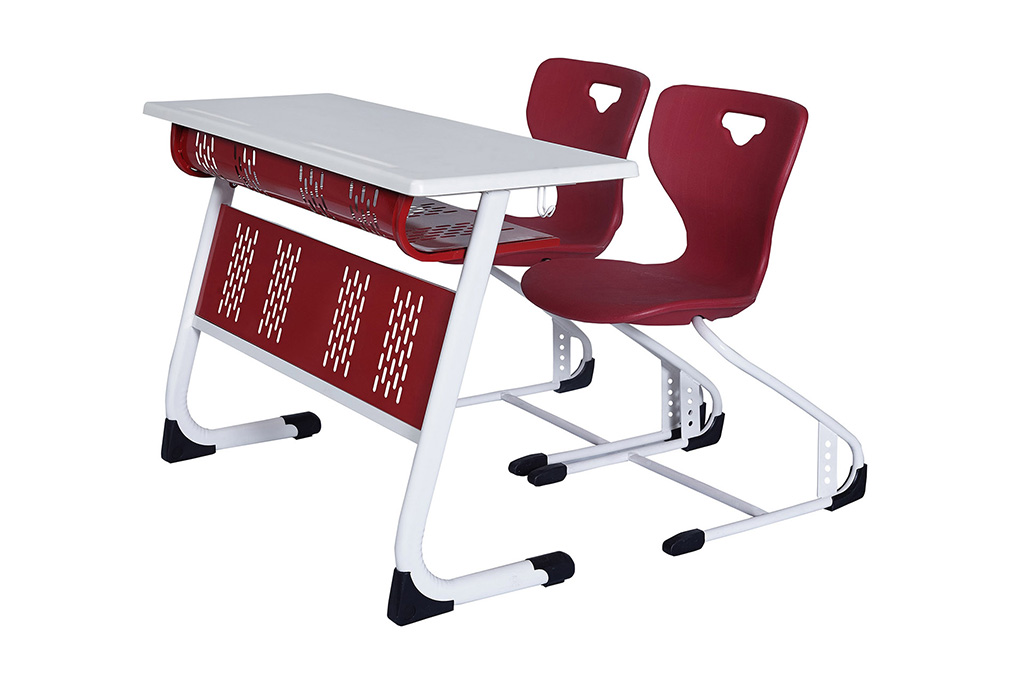
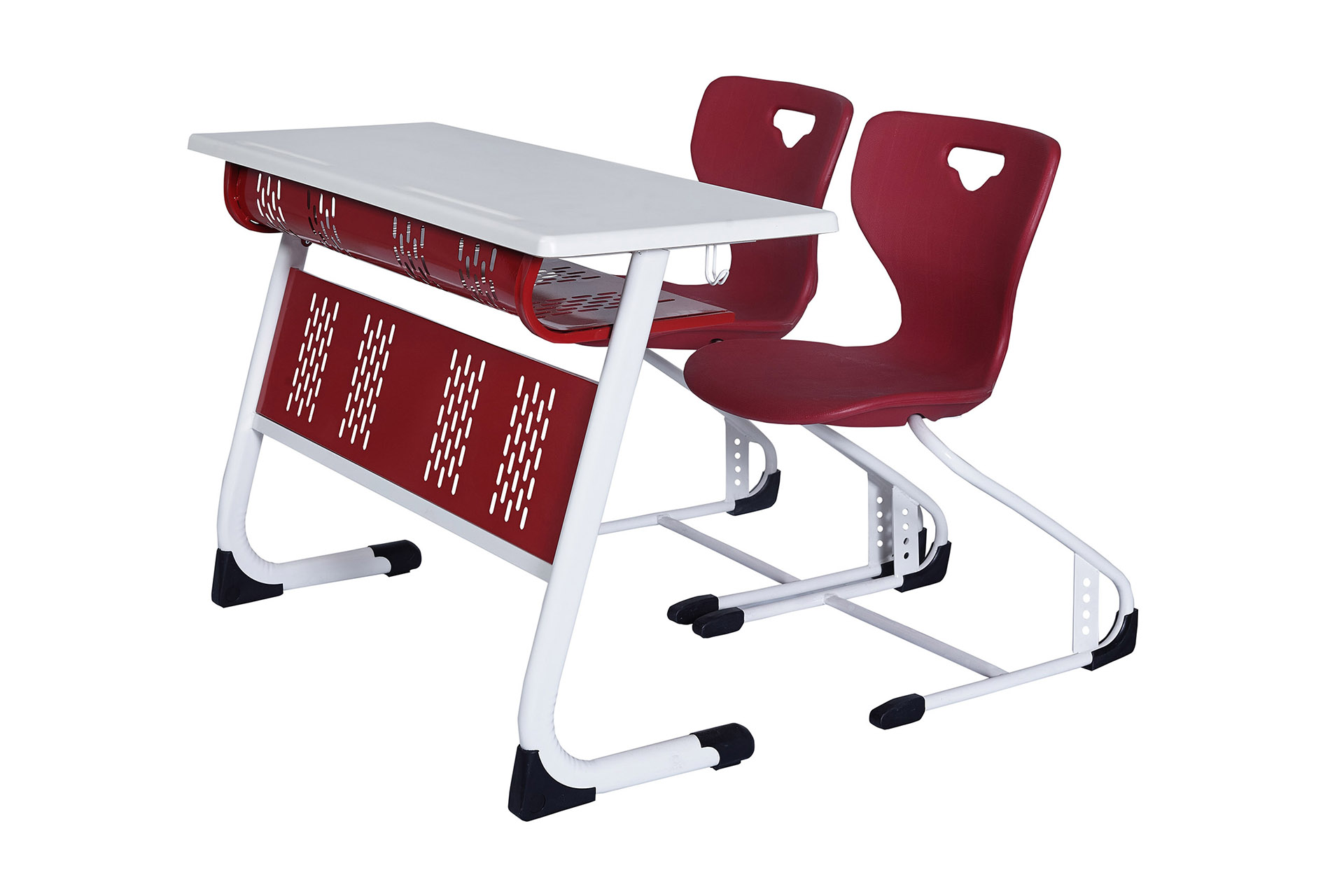
Students have a wide variety of ages and body types and therefore classroom furniture must have the flexibility to adapt to different sizes and different comfort ideas. With adjustable tables and chairs, students can exercise some control over their comfort levels throughout the school day.
Imitate the Workplace
Hands-on classes that mimic real-world workplaces are used to help students develop the practical skills they need for their career path. For example, a student who plays a role in a clinical situation should have appropriate furniture and equipment similar to those they will use after graduation. Conference rooms and meeting areas can help students be more comfortable with the corporate world in a safe environment.
Adapt to Different Teaching and Learning Styles
As the classroom becomes more dynamic and single rows of rows are a thing of the past, the furniture we use needs to be flexible to adapt to different learning environments. This includes being reconfigurable to enable collaboration and interaction in various group sizes.
Include Technology
Computers and technology are essential components of the classroom learning environment today, and therefore desks housing this technology are a must. Furniture that incorporates this technology is very important. Computer furniture should be ergonomic and flexible enough for students, and should integrate computer screens, keyboards and attendant cables in a convenient, organized, safe and inconspicuous way.
Numerous studies consistently show that useful, comfortable and attractive furniture in the classroom significantly improves both student success and teacher satisfaction. Equipping classrooms with furniture that is adaptable, flexible, comfortable, ergonomic and good-looking can lift morale and can facilitate learning for students and increase teaching effectiveness. Properly furnished and equipped classrooms contribute to more positive student attitudes, increased enthusiasm and success.